Non-surgical treatments for shoulder and elbow pain are designed to lessen inflammation and enhance joint strength. These approaches, applicable to conditions like tendonitis, arthritis, or small tears, involve a combination of rest, modification of activities, targeted exercises, and physical therapy. Common non-surgical methods include the use of NSAIDs, application of ice or heat, bracing, and injections such as corticosteroid or PRP.
Non-Surgical Treatment Approaches
A variety of options are available for managing injuries without surgery, focusing on pain relief, reducing inflammation, and restoring function:
Pain and Inflammation Management:
- Medication: Nonsteroidal anti-inflammatory drugs (NSAIDs), such as ibuprofen and naproxen, are used to alleviate pain and swelling.
- Injections: Corticosteroid injections offer rapid reduction of inflammation, while orthobiologics like Platelet-Rich Plasma (PRP) can be used to stimulate tissue healing.
- Ice/Heat Therapy: Applying ice helps to decrease swelling, and heat is beneficial for relieving joint stiffness.
Rehabilitation and Protection:
- Physical Therapy: Tailored exercises designed to enhance flexibility and strengthen the muscles supporting the joint, improving stabilization.
- Rest and Immobilization: Protecting the injured joint with devices such as slings, splints, or braces to ensure adequate time for healing.
Lifestyle Adjustments
Activity Modification: Adjusting daily routines and avoiding specific motions that provoke pain to minimize strain on the affected area.
Targeted Non-Surgical Treatment Options
Shoulder Issues (Rotator Cuff/Bursitis)
A range of non-surgical alternatives are available for shoulder pain. Initial approaches often focus on ergonomic adjustments, postural training, and personalized, progressive exercise regimens. Expanding treatment modalities include:
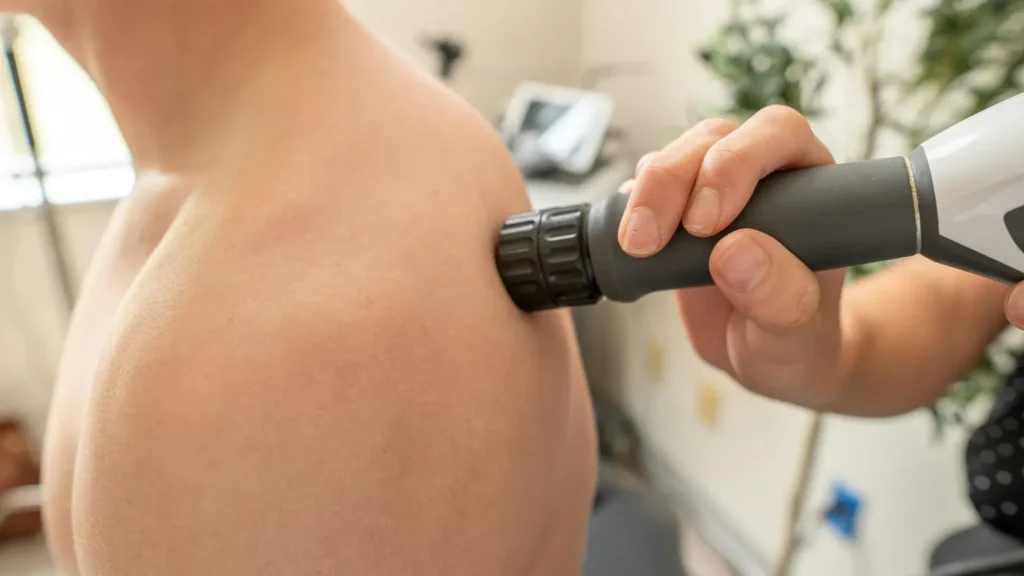
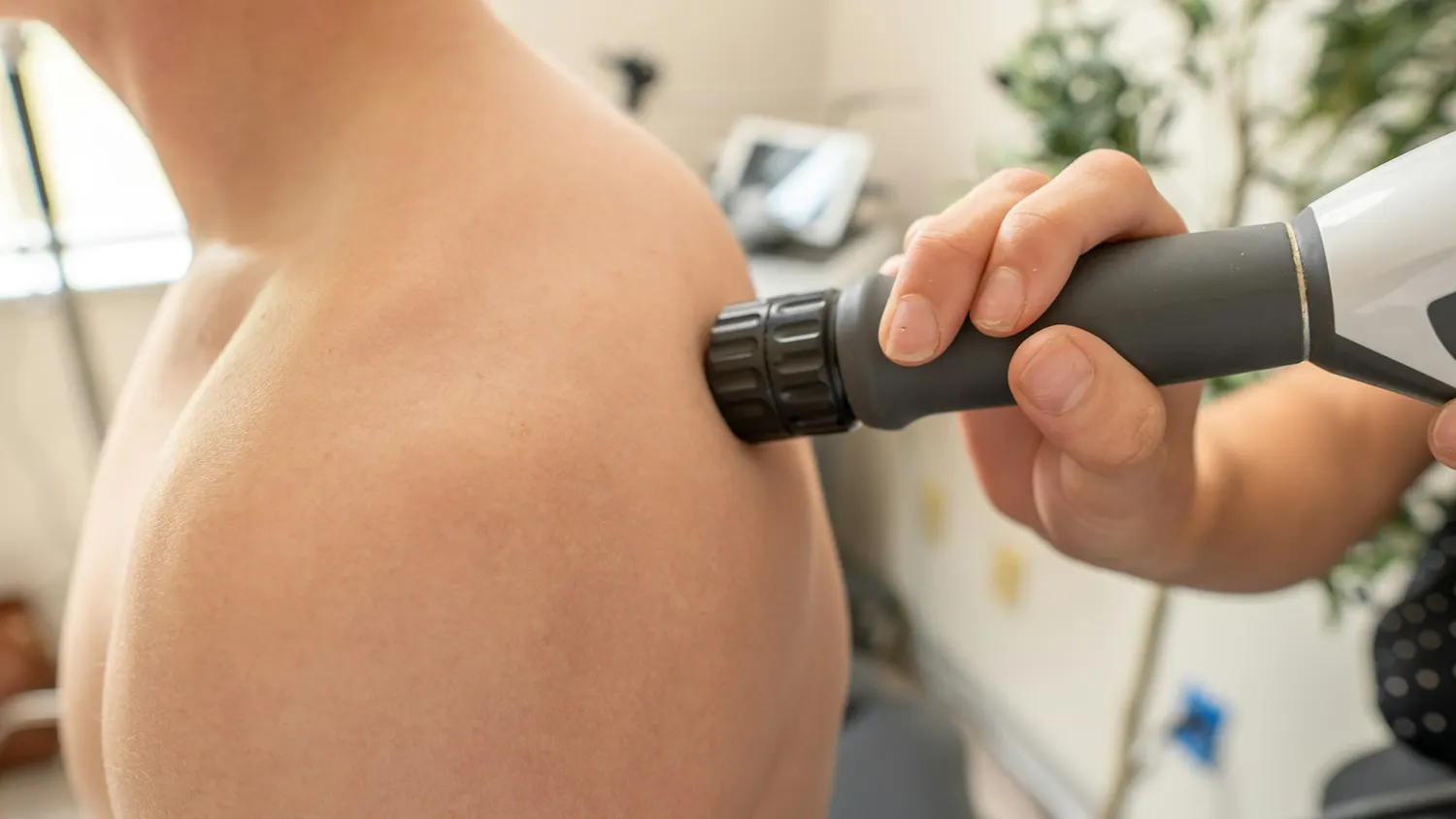
- Shock Wave Therapy: Utilizes sound waves to promote healing in damaged tissues.
- Prolotherapy: Injections designed to naturally strengthen tendons and and ligaments.
- Acupuncture or Dry Needling: Techniques that may enhance function and reduce pain for some patients.
Elbow Issues (Tennis/Golfer’s Elbow)
Treatment plans typically incorporate eccentric strengthening exercises, the use of counterforce braces, and, in certain instances, shockwave therapy.
When to Seek Care
While non-surgical treatment is successful for the majority of patients with conditions such as tennis elbow, it is important to seek care from a specialist if you experience any of the following:
- Pain that continues for several weeks
- Significant weakness
- Pain severe enough to prevent sleep
Schedule a consultation with us today if you feel our specialized treatment is right for yo