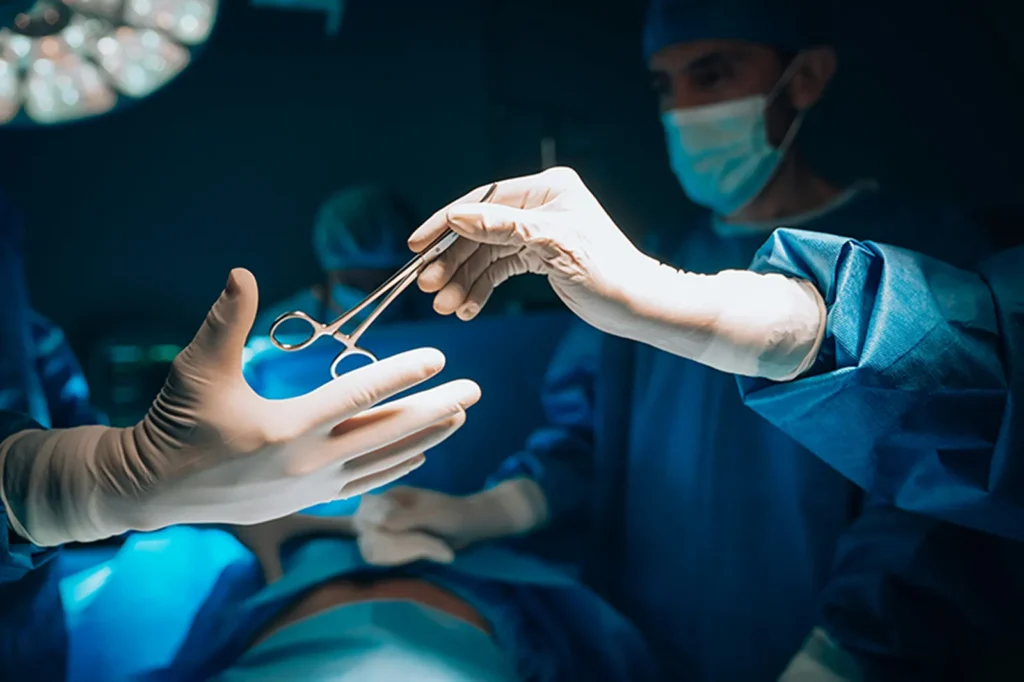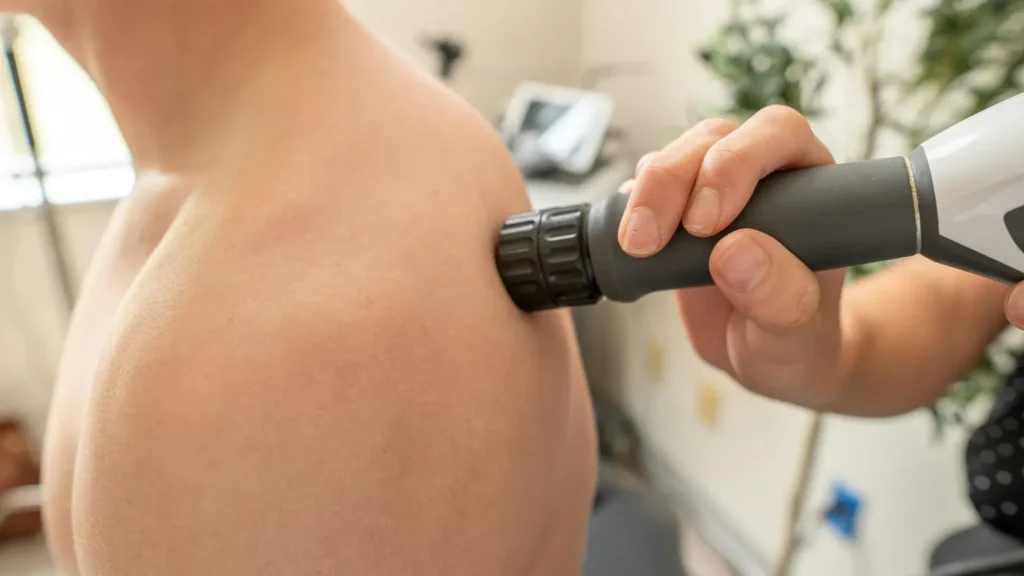

Minimally invasive techniques and advanced anesthesia make same-day outpatient shoulder surgery—including arthroscopy and total replacement—a safe and often preferred option. Patients can typically return home within 1–2 hours after the operating time. This approach is commonly used to treat conditions such as arthritis, dislocations, and rotator cuff tears.
Common Outpatient Shoulder Procedures
These procedures are frequently performed in an outpatient setting to treat a variety of shoulder issues:
- Rotator Cuff Repair: A minimally invasive, arthroscopic procedure used to reattach torn rotator cuff tendons to the bone.
- Shoulder Arthroscopy (Diagnostic and Therapeutic): Involves inserting a small camera to visualize the joint, allowing for both the identification of problems and the treatment of damaged tissues (e.g., debridement).
- Shoulder Stabilization (Labral/Bankart Repair): This surgery repairs torn labrum tissue to restore stability and prevent chronic shoulder dislocations.
- Subacromial Decompression (Acromioplasty): Removes bone spurs to relieve impingement syndrome and improve the shoulder’s range of motion.
- Distal Clavicle Excision: A small piece of the collarbone is removed to treat painful arthritis in the AC joint.
- Biceps Tenodesis: The biceps tendon is reattached to address chronic pain resulting from tendinitis or a tear.
- Frozen Shoulder Release (Capsular Release): Scar tissue is released from the joint capsule to restore movement in a frozen shoulder.
- Outpatient Shoulder Replacement: In select cases, both standard and reverse total shoulder replacements can be performed as a same-day surgical procedure.
Key Aspects of Outpatient Shoulder Surgery
Recovery and Safety:
Outpatient shoulder surgery is a safe and effective option, with patients typically returning home the same day. Research consistently shows low complication rates (0.99%–2.1% for arthroscopy), often comparable to or better than those associated with overnight hospital stays, including a potentially reduced risk of infection.
Safety and Outcomes
Research indicates a high level of safety for procedures performed in an outpatient setting, with low rates of complications, infections, and hospital readmissions. Patients consistently report satisfaction levels comparable to those achieved with inpatient care, largely due to the comfort of recovering at home.
Benefits of Outpatient Shoulder Procedures:
Outpatient shoulder procedures offer significant advantages, including a quicker recovery experienced in the comfort of the patient’s home, leading to increased satisfaction and minimal disruption to daily routines. These procedures are more cost-effective, often costing substantially less by eliminating hospital room fees, and are associated with lower hospital costs and reduced risks of infection.
By utilizing advanced surgical techniques and modern anesthesia, patients can return home on the same day. This approach ensures safer, more personalized care and effective pain management. Targeted pain management methods, such as nerve blocks, facilitate faster recovery and decrease the need for opioid medications.
Research demonstrates that outpatient shoulder replacements achieve patient outcomes and complication rates similar to, or better than, those of traditional inpatient hospital stays.
Candidates and Considerations
Outpatient procedures offer high-quality surgical care and typically lead to a more convenient and faster recovery. These procedures are generally best suited for patients in overall good health. While individuals with significant pre-existing medical conditions may still require an overnight hospital stay for observation, specialized centers are equipped to manage specific risks for other candidates. To determine if a shoulder outpatient procedure is right for you, schedule a visit with Dr. Jesse W. Allert today.