Shoulder arthritis occurs when the smooth, protective cartilage that covers the joint surfaces—the ball (humerus) and socket (glenoid)—begins to wear down. This deterioration leads to painful, debilitating bone-on-bone friction within the joint, resulting in persistent stiffness, swelling, and a characteristic grinding or catching sensation known as crepitus. While several types exist, the two most common are osteoarthritis, a wear-and-tear condition often seen in older adults, and rheumatoid arthritis, an autoimmune disorder that causes joint inflammation.
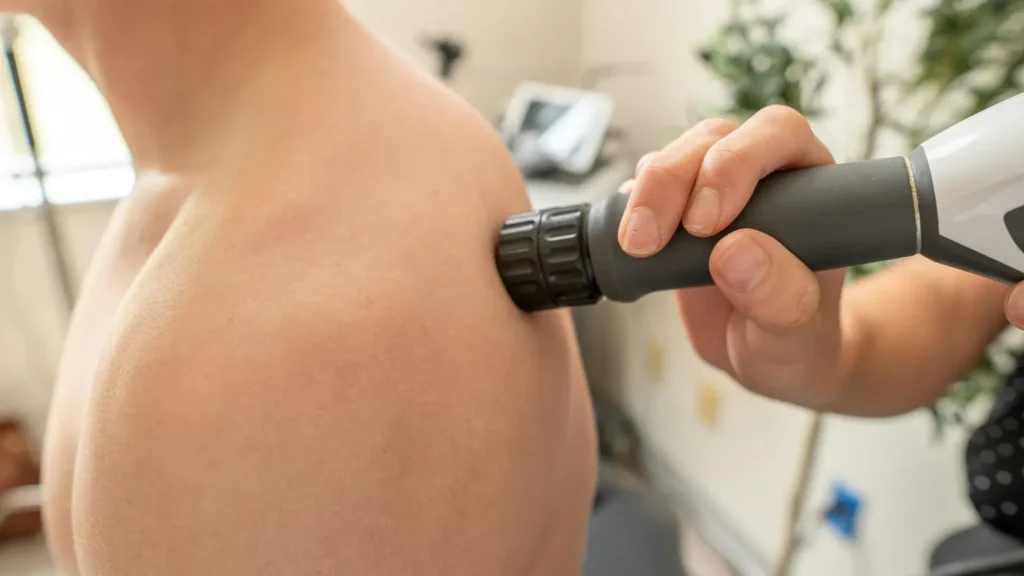
Treatment plans focus primarily on managing pain and improving mobility, starting with non-surgical options like activity modification, anti-inflammatory medications, and targeted physical therapy. When pain interferes with sleep and simple daily tasks, causing a substantial decrease in quality of life, surgical options are considered. The gold standard for severe shoulder arthritis is a total shoulder replacement (arthroplasty), a procedure where both the worn-out ball and socket are replaced with precise metal and plastic prosthetics.