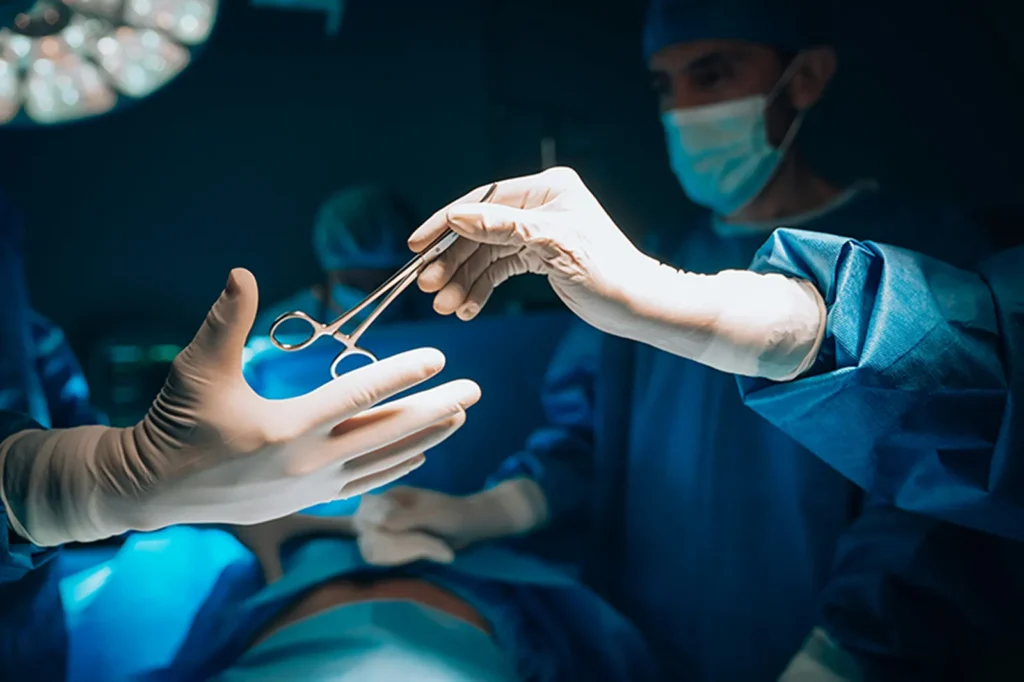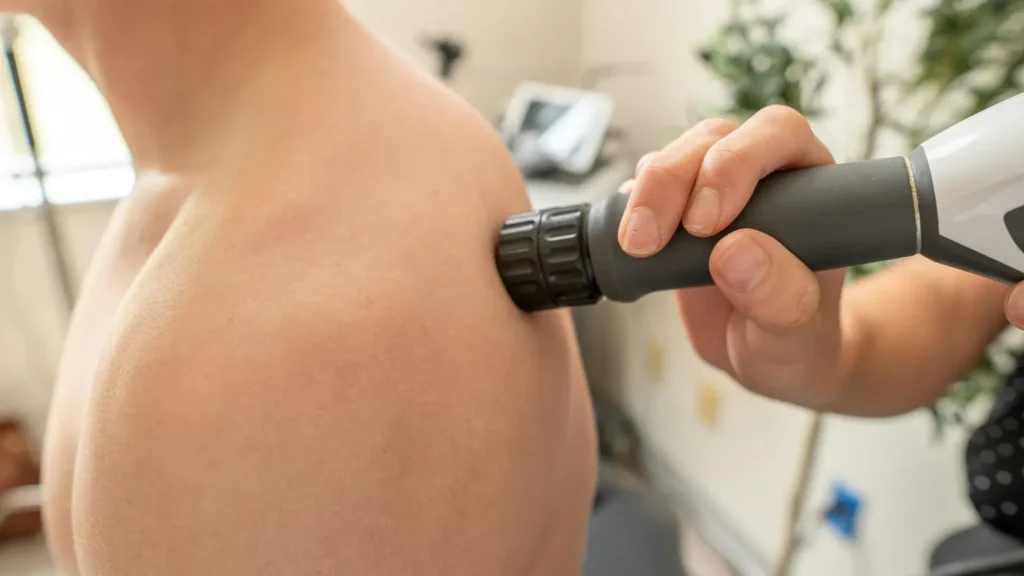
Shoulder repair typically refers to surgical procedures designed to restore function and alleviate pain caused by structural damage within the joint. Most modern repairs are performed arthroscopically, using a tiny camera and specialized instruments inserted through small incisions. This minimally invasive approach allows surgeons to address common issues like rotator cuff tears, labral tears, or biceps tendon injuries with less trauma to the surrounding muscle than traditional open surgery.
The success of a shoulder repair depends heavily on the quality of the tissue being fixed and the precision of the mechanical reattachment, often involving suture anchors to secure tendons or ligaments back to the bone. Following surgery, a structured rehabilitation program is vital to prevent the joint from becoming stiff (a condition known as “frozen shoulder”) while allowing the repaired tissues time to biologically bond to the bone. Patients typically wear a protective sling for several weeks before gradually transitioning into strengthening exercises that can last for several months.